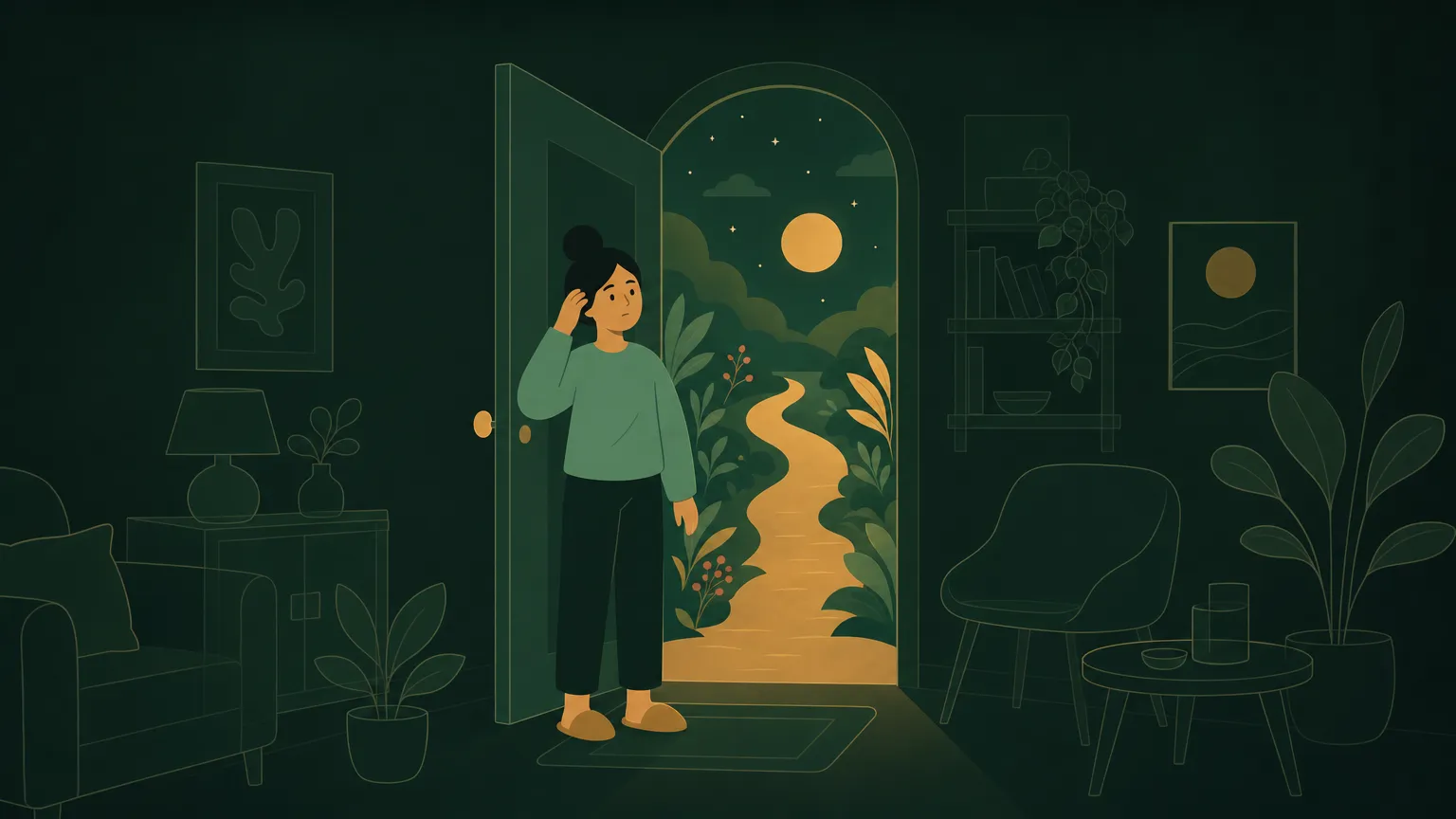
Inability to feel emotions — positive or negative — during cannabis withdrawal, caused by endocannabinoid and dopamine system depletion.
25-40%
Peaks day 21
~Peaks day 60
Recovery Timeline
| Metric | Value |
|---|---|
| Prevalence among quitters | 25-40% |
| Typical onset | Day 5 |
| Peak intensity | Day 21 |
| Expected resolution | ~Day 60 |
| Total duration | 55 days (approximate) |
You do not feel sad exactly. You do not feel happy. You do not feel much of anything. Music that used to move you is just noise. Conversations feel like going through motions. This emotional flatness — clinically called anhedonia — is one of the most unsettling symptoms of cannabis withdrawal.
Why Emotions Go Flat
Your emotional experience is regulated by two systems that THC disrupts:
- Dopamine: Regulates pleasure, reward, and the feeling that things matter. Depleted dopamine means activities that normally produce positive feelings simply do not register.
- Endocannabinoid system: Anandamide (your natural "bliss molecule") modulates emotional processing. With downregulated CB1 receptors and reduced anandamide production, your emotional thermostat is temporarily broken.
THC also dampens both positive and negative emotions during use — many people use it precisely for this numbing effect. When you quit, the emotional system needs time to recalibrate, and the initial result is not emotions flooding back but rather a temporary deepening of the flatness.
Timeline
- Onset: Days 5–10 (as acute withdrawal subsides and flatness becomes more noticeable)
- Peak: Weeks 2–4 (the core of the Valley of Disappointment)
- Improvement: Days 45–60 as dopamine and ECS normalize
- Full return: Most people report complete emotional range by day 90
What Helps
1. Physical Touch and Social Connection
Human connection releases oxytocin, which partially bypasses the depleted dopamine system. Hugs, physical proximity to loved ones, and face-to-face conversation (not texting) provide emotional stimulation through a different neurochemical pathway.
2. Music and Art
Music activates emotional processing areas (the anterior cingulate cortex and insula) through pathways partially independent of dopamine. Even if music does not feel enjoyable, it can begin reopening emotional channels. Listen actively — headphones, eyes closed.
3. Journaling
Writing about your emotional state — even if that state is "nothing" — activates the prefrontal cortex and can help identify subtle emotions you might be missing. Often, numbness masks very specific feelings underneath.
4. Patience
This is the hardest one. Emotional numbness resolves as your neurochemistry normalizes. It is not permanent. Almost everyone who reaches day 60–90 reports their emotional range returning — often richer and more vivid than it was before cannabis use.
When to Seek Help
- Numbness persists beyond 8 weeks with no signs of improvement
- You experience thoughts of self-harm or suicidal ideation
- The emotional flatness significantly impairs relationships or work
988 Suicide & Crisis Lifeline: Call or text 988
Common questions
How long does emotional numbness last after quitting weed?+
Is emotional numbness normal when quitting cannabis?+
What helps with emotional numbness after stopping weed?+
Track your progress
See your brain healing in real time
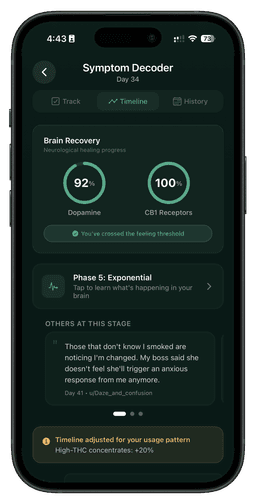
Klar tracks 47 withdrawal symptoms and visualizes your dopamine and CB1 receptor recovery day by day.
Related Symptoms
Related Timeline
Related articles
Medical Disclaimer: This content is for informational purposes only and does not constitute medical advice, diagnosis, or treatment. Always consult a qualified healthcare provider for medical guidance. If you are in crisis, call 988 (Suicide & Crisis Lifeline) or text HOME to 741741.
Every figure on this page traces to peer-reviewed research and the 30-symptom dataset behind Klar. How we source our data