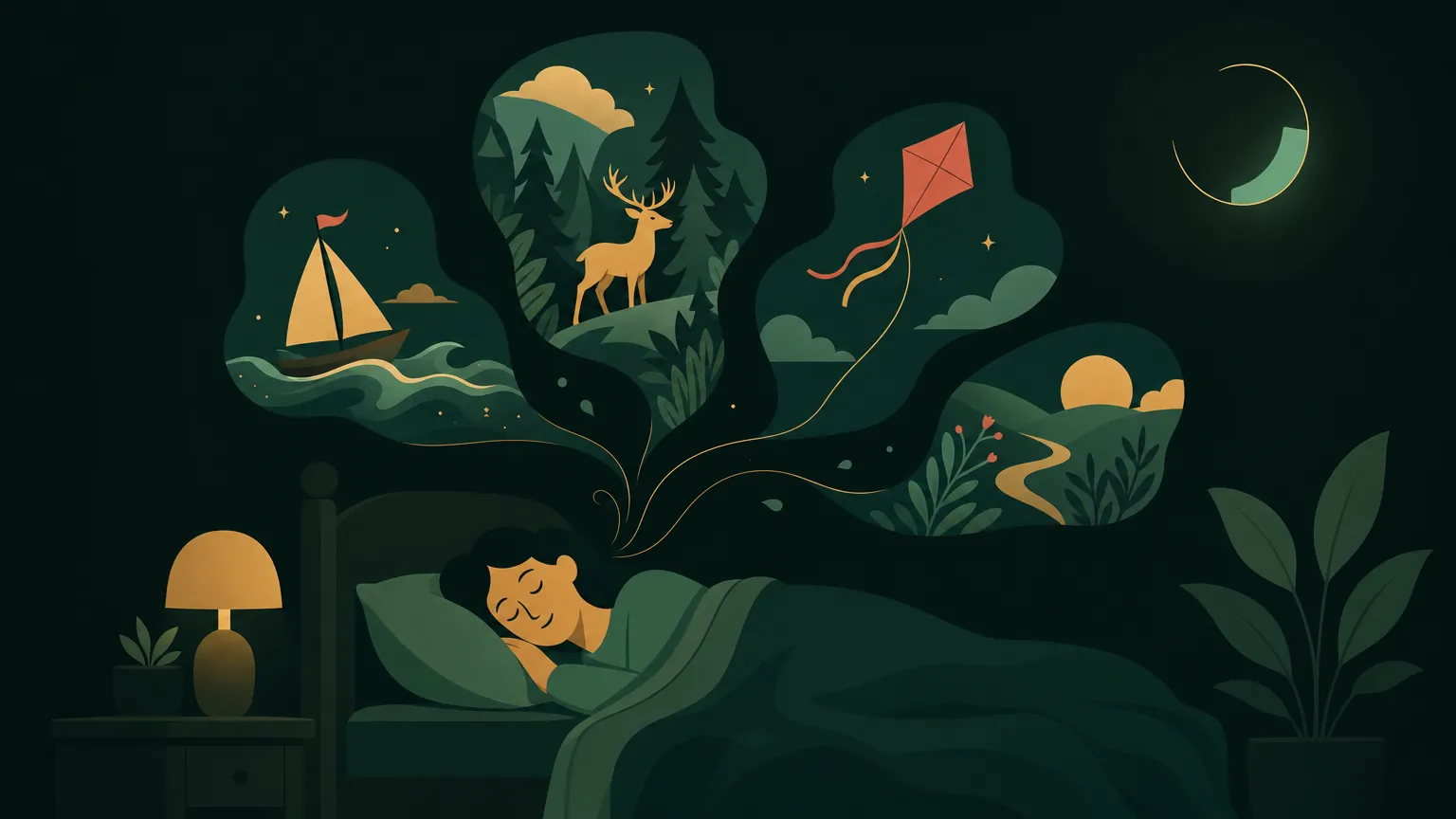
Difficulty falling or staying asleep is one of the most common and distressing cannabis withdrawal symptoms, affecting up to 47% of people who quit.
47% of people quitting cannabis
Peaks day 4
~Peaks day 21
Recovery Timeline
| Metric | Value |
|---|---|
| Prevalence among quitters | 47% of people quitting cannabis |
| Typical onset | Day 1 |
| Peak intensity | Day 4 |
| Expected resolution | ~Day 21 |
| Total duration | 20 days (approximate) |
You’re lying in bed, staring at the ceiling, and it’s 3 AM. You quit weed a few days ago and now sleep feels impossible. This isn’t in your head — it’s one of the most well-documented effects of cannabis withdrawal, and there’s a clear neurological explanation for why it happens.
Why Quitting Weed Causes Insomnia
THC acts on your brain’s endocannabinoid system, which plays a direct role in regulating your sleep-wake cycle. Specifically, THC binds to CB1 receptors in the hypothalamus and basal forebrain — areas that control sleep onset and maintenance.
When you use cannabis regularly, your brain adapts by downregulating CB1 receptors. It produces fewer of them and makes existing ones less sensitive. Your brain essentially outsources part of its sleep regulation to THC.
When you stop using cannabis, those downregulated receptors can’t immediately pick up the slack. Your brain’s natural sleep-promoting endocannabinoids (like anandamide) don’t have enough receptors to bind to. The result: your sleep architecture falls apart temporarily.
Research published in Sleep Medicine Reviews found that cannabis withdrawal disrupts both sleep onset latency (how long it takes to fall asleep) and sleep efficiency (how much of your time in bed is actually spent sleeping). Both metrics worsen significantly in the first 1–2 weeks of abstinence.
When Does It Start, Peak, and End?
Based on clinical studies:
- Onset: Night 1–2. Most people notice difficulty falling asleep the very first night without cannabis.
- Peak: Days 2–6. This is when insomnia is most severe. You may sleep only 2–4 hours per night or not at all.
- Improvement: Days 7–14. Sleep gradually improves, though it may still be fragmented.
- Resolution: Days 14–28 for most people. Heavy, long-term users may experience disrupted sleep for up to 45 days.
The good news: this is temporary. Your CB1 receptors begin recovering within days, and research shows they return to near-normal density by day 28–30 in most people.
What Actually Helps
1. Sleep Restriction Therapy
Counter-intuitively, spending less time in bed can improve sleep quality. If you’re only sleeping 4 hours, only stay in bed for 5 hours. This builds sleep pressure and consolidates your sleep into a single block. As sleep improves, gradually extend your time in bed.
2. Temperature Regulation
Cannabis withdrawal often comes with night sweats. Keep your room cool (65–68°F / 18–20°C), use breathable bedding, and consider a cool shower before bed. Your core body temperature needs to drop for sleep onset — help it along.
3. Morning Light Exposure
Get 10–15 minutes of bright natural light within 30 minutes of waking. This resets your circadian rhythm by suppressing melatonin and setting a “timer” for when melatonin will release ~14 hours later. This is one of the most effective, evidence-based sleep interventions.
4. Avoid Compensating Substances
Resist the urge to replace weed with alcohol, Benadryl, or excessive melatonin. These disrupt sleep architecture differently and can create new dependencies. If you use melatonin, keep it low-dose (0.3–0.5mg) and short-term.
5. Physical Exhaustion (Strategic)
Exercise intensely — but not within 3 hours of bedtime. A hard workout in the morning or afternoon builds adenosine (the chemical that creates sleep pressure) and helps regulate the stress hormones that withdrawal sends into overdrive.
6. The 20-Minute Rule
If you can’t fall asleep within 20 minutes, get up. Go to another room, do something boring in dim light (no screens), and return only when sleepy. Lying in bed frustrated trains your brain to associate bed with wakefulness.
When to Seek Professional Help
Contact a healthcare provider if:
- Insomnia persists beyond 4 weeks with no improvement
- You’re experiencing hallucinations or severe disorientation from sleep deprivation
- You’re using alcohol or other substances to cope with sleeplessness
- Insomnia is causing dangerous situations (driving while exhausted, etc.)
SAMHSA National Helpline: 1-800-662-4357 (free, confidential, 24/7)
Common questions
How long does insomnia last after quitting weed?+
Is insomnia normal when quitting cannabis?+
What helps with insomnia after stopping weed?+
Track your progress
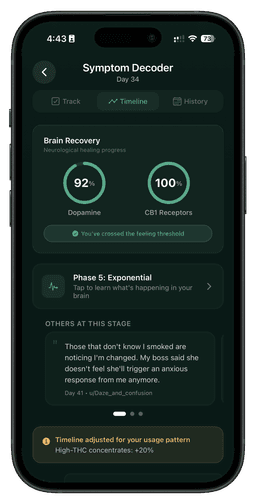
See your brain healing in real time
Klar tracks 47 withdrawal symptoms and visualizes your dopamine and CB1 receptor recovery day by day.
Related Symptoms
Related Timeline
Related articles
Medical Disclaimer: This content is for informational purposes only and does not constitute medical advice, diagnosis, or treatment. Always consult a qualified healthcare provider for medical guidance. If you are in crisis, call 988 (Suicide & Crisis Lifeline) or text HOME to 741741.
Every figure on this page traces to peer-reviewed research and the 30-symptom dataset behind Klar. How we source our data