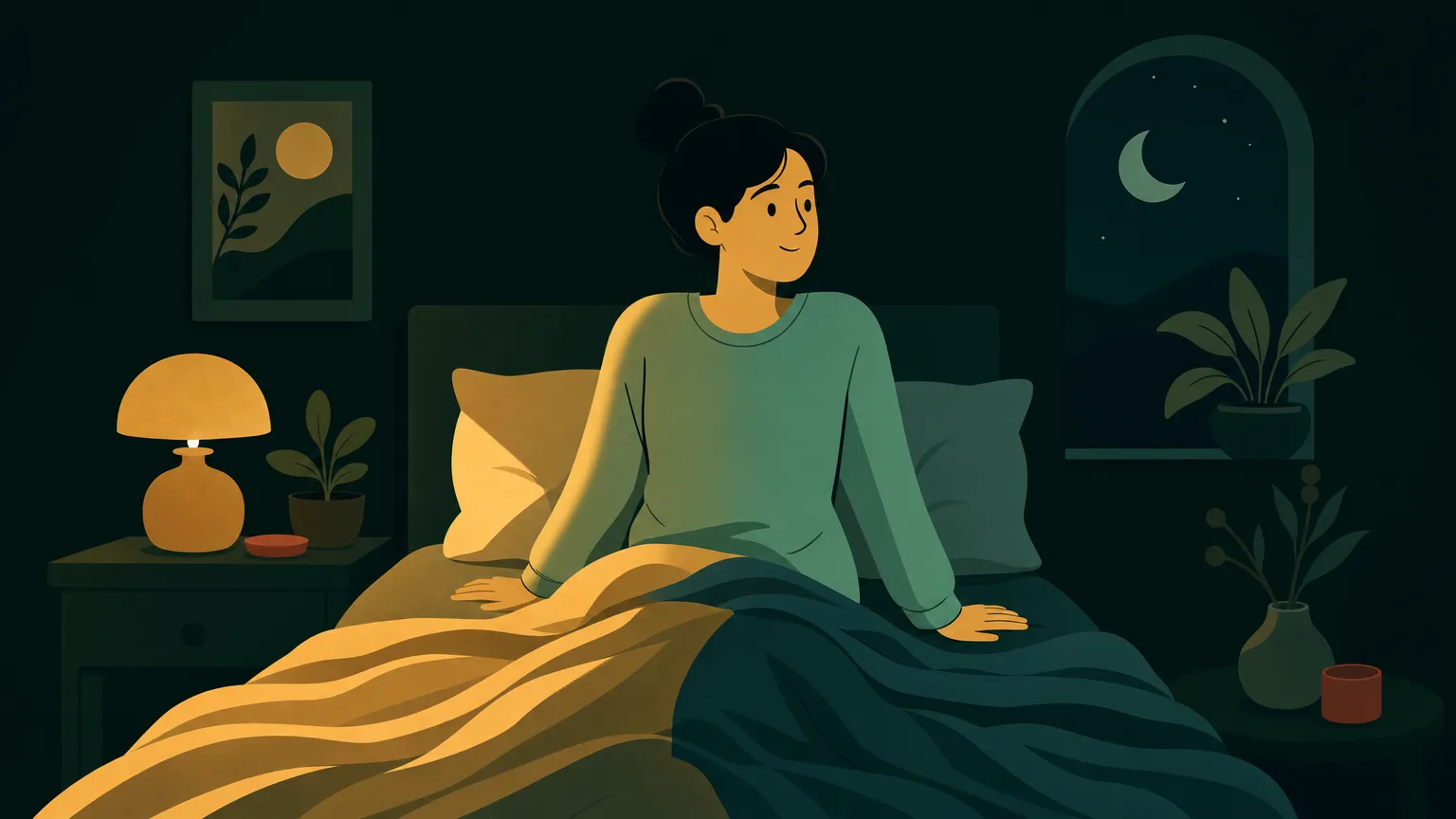
Waking up drenched in sweat is a common physical withdrawal symptom caused by your endocannabinoid system recalibrating its temperature regulation.
30-40% of people quitting cannabis
Peaks day 3
~Peaks day 14
Recovery Timeline
| Metric | Value |
|---|---|
| Prevalence among quitters | 30-40% of people quitting cannabis |
| Typical onset | Day 1 |
| Peak intensity | Day 3 |
| Expected resolution | ~Day 14 |
| Total duration | 13 days (approximate) |
You wake up at 2 AM and the sheets are soaked. Your t-shirt is clinging to you. You’re freezing and overheating at the same time. If you recently quit cannabis, this is your body doing exactly what it’s supposed to do — recalibrating without the substance it came to depend on.
Why Quitting Weed Causes Night Sweats
Your endocannabinoid system (ECS) directly regulates thermoregulation — your body’s ability to maintain a stable internal temperature. CB1 receptors are dense in the hypothalamus, which acts as your body’s thermostat.
THC binds to these receptors and influences how your hypothalamus sets your body temperature. With regular cannabis use, your hypothalamus adapts to THC’s presence. When THC is suddenly removed, the thermoregulatory system overcorrects. Your body temporarily loses its ability to regulate temperature smoothly, which manifests as:
- Excessive sweating, especially at night when your body naturally cools down
- Alternating between feeling too hot and too cold
- Clammy skin and cold sweats during the day
Additionally, cannabis withdrawal triggers elevated cortisol and norepinephrine levels — the same stress hormones that activate your fight-or-flight response. This sympathetic nervous system activation causes sweating as your body prepares for a threat that isn’t there.
When Does It Start, Peak, and End?
- Onset: Night 1–2. Often one of the very first symptoms people notice.
- Peak: Days 2–5. The most intense sweating typically occurs during the first week.
- Improvement: Days 7–10. Sweating episodes become less frequent and less intense.
- Resolution: Days 10–21 for most people. Heavy long-term users may experience intermittent sweating for up to 30 days.
Night sweats are one of the shorter-lived withdrawal symptoms. While they’re intensely uncomfortable, they’re also a sign that your autonomic nervous system is actively recalibrating.
What Actually Helps
1. Layer Your Bedding
Use multiple thin layers instead of one thick comforter. When you wake up sweating, you can remove a layer without getting cold. Moisture-wicking sheets (bamboo or certain synthetics) help more than cotton, which traps moisture.
2. Keep Your Room Cold
Set your room to 64–66°F (17–19°C) — slightly cooler than the general sleep recommendation. Your body is running hot; give it room to cool. A fan provides both cooling and white noise.
3. Hydrate Strategically
You’re losing fluids. Drink water throughout the day, but reduce intake 2 hours before bed to avoid adding bathroom trips to your already disrupted sleep. Keep water by your bedside for middle-of-the-night episodes.
4. Cool Shower Before Bed
A lukewarm-to-cool shower 60–90 minutes before bed helps lower your core temperature. Avoid hot showers at night — they can trigger additional sweating as your body tries to cool down afterward.
5. Wear Moisture-Wicking Sleepwear
Sleep in lightweight, moisture-wicking fabrics (or nothing at all). Keep a dry change of clothes by your bed for middle-of-the-night changes. Having to get up and rummage through drawers fully wakes you up.
6. Sage Tea (Traditional Remedy)
While clinical evidence is limited, sage has been traditionally used for excessive sweating (hyperhidrosis). Some people find a cup of sage tea in the evening reduces night sweat severity. It won’t hurt to try.
When to Seek Professional Help
- Night sweats persist beyond 3–4 weeks without any improvement
- You’re running a fever alongside the sweating
- You experience unexplained weight loss combined with night sweats
- Sweating is so severe that you’re becoming dehydrated
SAMHSA National Helpline: 1-800-662-4357 (free, confidential, 24/7)
Common questions
How long does night sweats last after quitting weed?+
Is night sweats normal when quitting cannabis?+
What helps with night sweats after stopping weed?+
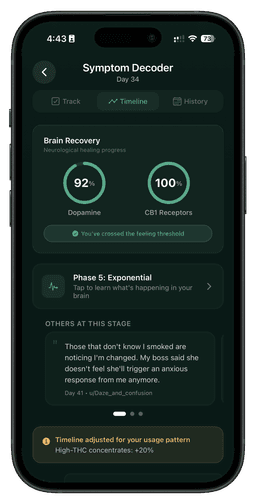
Track your progress
See your brain healing in real time
Klar tracks 47 withdrawal symptoms and visualizes your dopamine and CB1 receptor recovery day by day.
Related Symptoms
Related Timeline
Related articles
Medical Disclaimer: This content is for informational purposes only and does not constitute medical advice, diagnosis, or treatment. Always consult a qualified healthcare provider for medical guidance. If you are in crisis, call 988 (Suicide & Crisis Lifeline) or text HOME to 741741.
Every figure on this page traces to peer-reviewed research and the 30-symptom dataset behind Klar. How we source our data